
Field Notes · July 5, 2026 · 5 min · By Casper Whitfield
Does Screen Time Cause Dark Circles? Separating Myth From Mechanism
Blue light is not tattooing shadows under your eyes. But long screen days can make circles look worse through three real, indirect pathways. Here is what the evidence supports and what to do about it.
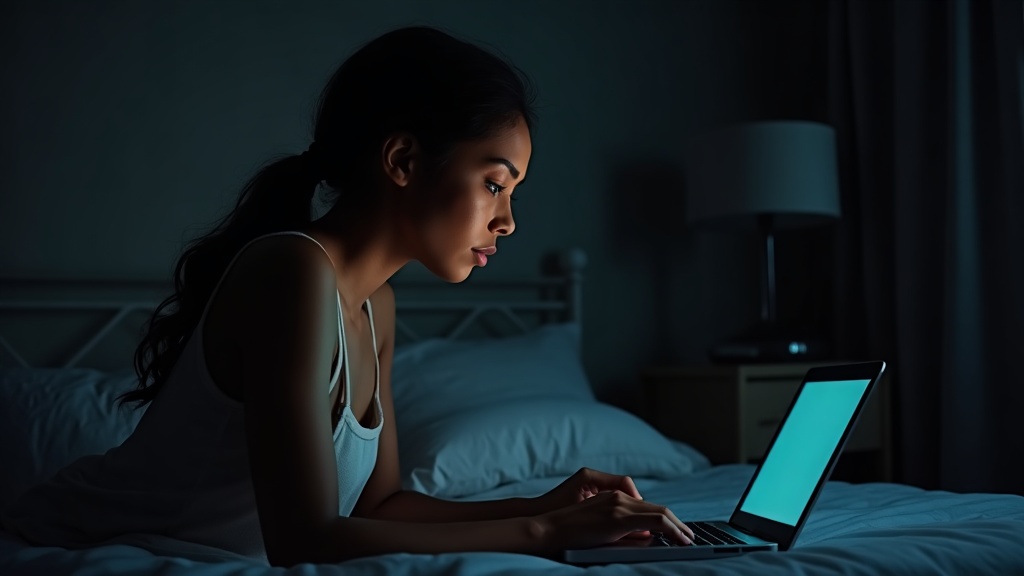
Search for dark circle causes and you will quickly find screens accused of everything short of arson. The claim has intuitive appeal: we spend ten hours a day looking at glowing rectangles, we look tired, therefore the rectangles did it. As with most tidy stories in skincare, the truth is more specific and more useful.
What screens do not do. There is no good evidence that light from a phone or monitor directly darkens under-eye skin. Blue light at screen intensities is orders of magnitude weaker than sunlight; the visible-light doses shown to stimulate pigment in laboratory studies come from sources far more intense than any display. Your laptop is not tanning your tear troughs, and products marketed to shield the under-eye from screen light are solving a problem that has not been demonstrated to exist. If a device is darkening your under-eyes with light, it is the sun through a car window, not your monitor.
Pathway one: eye strain and rubbing. Long screen sessions reduce blink rate by roughly half, drying the eye surface and producing the itchy, gritty feeling clinicians call digital eye strain. Tired, irritated eyes get rubbed, and habitual rubbing is one of the most reliable ways to worsen under-eye darkness, both by inflaming the skin into producing pigment and by mechanically thickening and roughening it. For people already prone to allergy-driven circles, the rubbing pathway is doing most of the damage attributed to the screen itself.
Pathway two: stolen sleep. Evening screen use pushes bedtimes later and fragments sleep, partly through delayed melatonin release and partly through the simpler mechanism of one more episode. Poor sleep does not create circles from nothing, but it reliably amplifies the vascular kind: sluggish circulation and mild fluid retention make the vessel network under thin skin more visible and add a puffy shelf that casts shadow. Anyone whose circles look dramatically worse after two short nights is watching this pathway operate in real time, the same fluid physics behind morning puffiness.
Pathway three: posture and blood flow. Hours of looking down at a phone with a slightly bent neck modestly impairs venous drainage from the head and encourages fluid to settle. It is a small effect, but stacked on top of rubbing and short sleep, it contributes to the end-of-day look that people photograph and blame on the screen.
The honest verdict. Screens are an amplifier, not an author. If your circles are genetic pigment or a structural hollow, a digital detox will change nothing, and the fix lives in matching treatment to your circle type. If your circles fluctuate with late nights and heavy screen days, the practical countermeasures are cheap: follow the 20-20-20 rule to keep eyes comfortable, treat dryness with preservative-free artificial tears instead of your knuckles, keep the last hour before bed screen-free, and raise your monitor so you are not spending the afternoon folded over a laptop. None of this is glamorous, which is exactly why it is underused.
Related reading: Why you wake up with puffy eyes and A realistic daily routine for dark circles.