Advances · July 4, 2026 · 6 min · By Casper Whitfield
PRP for Under-Eye Circles: What the Evidence Actually Supports
Platelet-rich plasma promises to rebuild the thin, crepey under-eye skin that makes circles show. The honest read on how it works, what studies show, and who should consider it.
Platelet-rich plasma occupies an odd position in aesthetics: dismissed by some as a vampire-facial gimmick, embraced by others as the most natural thing you can inject. For the under-eye specifically, the truth sits in a narrower, more interesting place. PRP is not a filler, not a brightener, and not a puffiness fix. It is a skin-quality treatment, and skin quality happens to be exactly what fails in one of the most common types of dark circle.
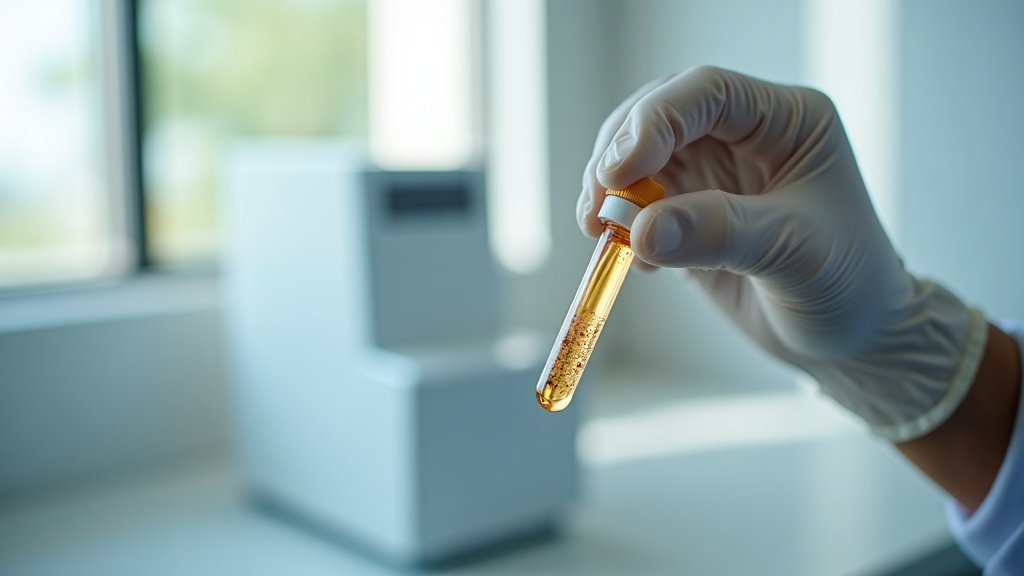
What PRP is. A clinician draws a small vial of your blood and spins it in a centrifuge, separating a golden layer of plasma concentrated with platelets. Platelets are the body's first responders: they arrive at injuries carrying growth factors that recruit fibroblasts, stimulate new collagen, and encourage small-vessel repair. Injected in tiny amounts into the under-eye skin, that growth-factor payload is meant to gradually thicken the dermis and improve its texture. Because the material is your own blood, allergic reaction risk is essentially nil, which is part of the appeal in an area where filler complications are famously unforgiving.
Which circles it can help. Recall the three-type framework: pigmented, vascular, and structural. PRP's target is the vascular, thin-skin type, the bluish show-through that worsens with age as the under-eye dermis thins. Studies of under-eye PRP, mostly small split-face and comparative trials, consistently report modest improvements in skin thickness, texture, and the appearance of dark circles after a series of two to four sessions spaced about a month apart. The word doing the work in that sentence is modest. Reviewers of the literature describe visible but incremental gains, with results building slowly over three to six months as collagen remodels. Patients who report satisfaction tend to be those who wanted their under-eyes to look less tired and crepey, not those expecting the area to look filled or lifted.
What it will not do. PRP does not remove melanin, so genuinely brown pigmented circles need pigment-directed tools instead. It does not fill a deep tear trough hollow; that is a volume problem. And it does not touch a herniated fat bag. Clinics that present PRP as a universal under-eye answer are ignoring the diagnosis step that determines everything in this field. The better practices use PRP either alone for early thin-skin changes in patients who want nothing synthetic, or as the skin-quality layer in a combination plan, the sequencing philosophy covered in what is new in under-eye rejuvenation.
What treatment is actually like. Expect a blood draw, twenty minutes of processing, numbing cream, and a series of superficial micro-injections or cannula passes under each eye. The area is puffy for a day or two and can bruise; makeup covers most of it by day three. Because the under-eye skin is thin, technique matters: superficial lakes of plasma can leave temporary lumpiness, and an experienced injector works in small, deliberate volumes. Costs vary widely but a series typically runs in the high hundreds to low thousands of dollars, less than filler in many markets, more than any cream.
The verdict. PRP is neither miracle nor scam. It is a legitimately evidence-supported, autologous option for the thin-skin vascular circle, with a favorable safety profile in a high-stakes area and results that arrive slowly and read as better skin rather than a dramatic before-and-after. If your darkness stretches away when you pull the skin taut, or a clinician has told you your under-eye skin is simply thin, it belongs on your shortlist. If your circles are brown pigment or a deep hollow, spend your money on the tools built for those problems.
Related reading: What is new in under-eye rejuvenation and Tear trough filler: what to know before you book.